Your Guide to Better Home Recycling Practices
Adopting better home recycling practices isn't just a contribution to a cleaner environment--it's a way to make a meaningful daily impact. In today's world, where waste generation is at its peak and pollution threatens our planet's future, everyone must take responsibility. From sorting your household waste correctly to preparing recyclable materials and finding creative reuse solutions, this comprehensive guide will help you transform recycling from a chore into a rewarding habit. Read on to discover proven strategies, essential tips, and up-to-date insights that will empower you to recycle effectively, one day at a time.
Understanding Home Recycling: Why It Matters
Before diving into effective home recycling methods, it's crucial to appreciate the importance of the task. Recycling reduces landfill waste, conserves natural resources, saves energy, and lowers greenhouse gas emissions. But perhaps most importantly, it creates a ripple effect--encouraging others in your community to embrace sustainable living.
The Ripple Effects of Household Recycling
- Minimizes environmental impact: Less landfill usage. Fewer harmful emissions.
- Conserves resources: Recycled materials decrease the need for virgin resources.
- Saves costs: Recycling can reduce disposal costs for families and municipalities.
- Boosts local economies: Many recycling programs create jobs and support community projects.
Common Obstacles to Better Home Recycling Practices
Many households intend to recycle but face obstacles that hamper their effectiveness. The most common include:
- Lack of information on what materials are recyclable
- Confusion about how to sort recyclables properly
- Inconvenient recycling systems
- Contamination from mixing non-recyclables with recyclables
If you've ever wondered about improving your home recycling habits, you're not alone. Let's break down the main aspects of smart recycling at home.
Step-by-Step Guide to Effective Home Recycling
Step 1: Know Your Local Recycling Rules
No two recycling programs are the same. Local governments and waste management companies set the rules about
- Detail accepted materials (plastics, glass, metals, paper, cardboard, etc.)
- Specify how to sort materials
- List items that must be taken to special drop-off points
Tip: Check your municipality's website for a downloadable recycling guide. Many areas also have apps to scan barcodes or search items to determine recyclability.
Step 2: Set Up a Smart Recycling System at Home
Creating a convenient, organized recycling station encourages everyone at home to participate. Here's how:
- Designate clear bins or containers for every recycling stream (glass, paper, plastics, metals)
- Use labels and color codes for easy identification
- Place recycling bins where they're easy to access--kitchens, bathrooms, offices
- Rinse containers before recycling to prevent contamination
- Keep a printout or chart of recyclable and non-recyclable items nearby
Step 3: Sort and Prepare Your Recyclables
Correct sorting and preparation will maximize recycling efficiency and prevent contamination:
- Rinse food and drink containers before placing them in recycling
- Remove lids from bottles and jars (often made from different materials)
- Flatten cardboard boxes to save space
- Stack paper or newspapers neatly to facilitate pick-up or drop-off
- Do not bag recyclables in plastic liners unless local guidelines require it
Step 4: Avoid Common Recycling Mistakes
Improve efficiency by steering clear of frequent errors:
- Avoid "wishcycling": Placing items you hope are recyclable but aren't accepted by your local system (like greasy pizza boxes, plastic bags, or electronics) can contaminate entire batches.
- No food residue: Keeping materials clean prevents the spoiling of other recyclables.
- Check for local rules on plastic bags--most curbside programs don't accept them, but stores might offer drop-off bins.
Remember, proper recycling starts with keeping non-recyclables out of your blue bin!
Expanding Your Home Recycling Beyond the Basics
Household Items You Didn't Know You Could (Or Couldn't) Recycle
- Electronics: Phones, tablets, and laptops require special disposal to prevent hazardous waste leaks.
- Batteries and bulbs: Special drop-off points exist for these--never toss with regular recycling.
- Textiles: Old clothes and fabrics can often be donated or recycled through textile-specific programs.
- Aerosol cans: These are sometimes recyclable if emptied--check local regulations.
Tip: When in doubt, ask your local waste authority or consult online resources to avoid contaminating your recycling stream.
Creative Reuse and Upcycling Ideas
Recycling isn't just about curbside bins. Upcycling and reusing items reduces waste and adds value to household goods.
- Reuse glass jars as kitchen containers or plant pots
- Turn cardboard tubes into cable organizers or kids' crafts
- Old t-shirts can become cleaning rags or tote bags
- Plastic bottles make excellent watering cans or herb planters
By giving items a second life, you're reducing waste and resource consumption from the start.
Tips for Sustainable Living and Waste Reduction
While recycling is important, the best way to improve your environmental impact is by preventing waste in the first place. Here are practical suggestions:
- Buy in bulk to reduce packaging waste
- Opt for reusable containers and bags
- Choose products with recyclable or compostable packaging
- Compost food scraps rather than throwing them out
- Support local businesses that have sustainable practices
Advanced Home Recycling Practices for Enthusiasts
Start Composting at Home
Composting turns kitchen scraps and yard waste into nutrient-rich soil. It diverts organic waste from landfills, where it would produce methane--a potent greenhouse gas.
- Create a compost pile or use a compost bin
- Balance "greens" (vegetable scraps) and "browns" (paper, dry leaves)
- Keep the compost moist and turn it regularly for aeration
Composting is an excellent complement to your home recycling routine--nourishing your garden while reducing waste!
Host a Home Recycling Workshop or Swap Event
Community engagement can greatly amplify the benefits of home recycling. Host a local recycling workshop with neighbors or arrange a swap event for unwanted but usable items.
- Share recycling tips, guides, and storage solutions
- Swap clothing, books, or household items
- Promote the importance of responsible waste management
Stay Up to Date on Recycling Technology and Trends
Better recycling practices evolve constantly as technology advances. Stay informed by:
- Following respected environmental news outlets
- Reading your local recycling program's updates
- Learning about new recyclable materials and packaging innovations
This can help you adapt your own routines and support companies pioneering sustainable packaging and recycling solutions.
Frequently Asked Questions About Home Recycling
- Can I recycle pizza boxes? Only if they're clean and free of food residue--greasy boxes belong in the trash or compost.
- Can plastic bags go in the recycling bin? In most areas, no. Recycle them at dedicated grocery store collection points instead.
- Should I wash recyclables? Yes, quickly rinse containers to remove food or drink.
- Is it ever okay to recycle electronics curbside? Never--use special drop-off programs for e-waste.
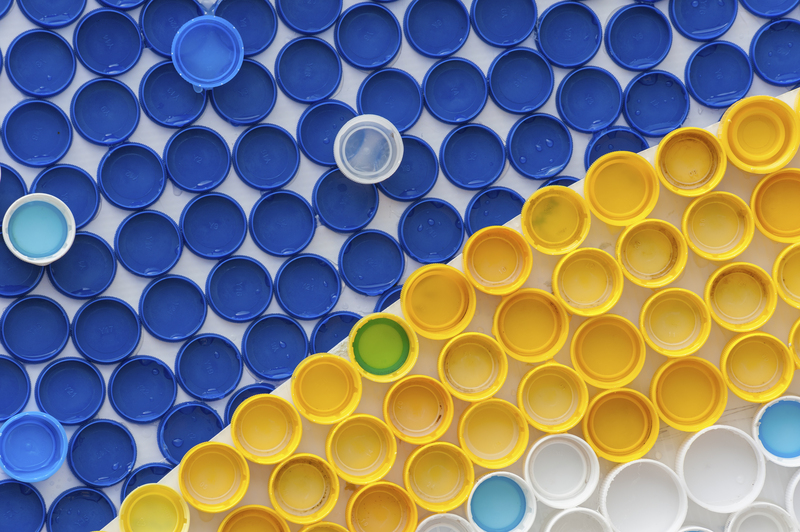
- Are bottle caps recyclable? Only if permitted by your program, since they're often a different plastic. Check locally.
The Bigger Picture: Make Every Day Earth Day
Consistent, better home recycling habits form the cornerstone of a sustainable lifestyle. But true environmental stewardship means going further: reducing consumption, sharing knowledge, and making informed buying choices.
Each piece of material you recycle keeps resources in use and reduces the burden on our planet--a small but powerful act that, together with millions of others, shapes a greener world for the next generation.
Conclusion: Your Journey to Better Home Recycling Starts Now!
Transforming your home recycling practices doesn't require perfection--just persistence and awareness. By following the tips outlined in this guide, you'll:
- Minimize waste and contamination
- Make recycling a convenient habit for your family
- Support your community's sustainability goals
Ready to take your recycling to the next level? Start today. Share your progress, get your friends and neighbors involved, and stay to stay updated on best practices. Together, small efforts deliver big results for a cleaner, more sustainable world.
Your journey to better home recycling practices begins at home--right now!
Did you find this guide helpful? Share it with friends and encourage others to embrace smarter recycling in their homes. Together, we can create a lasting positive impact on our planet's health.