Meet the New Standard: Creating Eco-Friendly Living Spaces
In a world increasingly aware of the environmental impact of human activities, the demand for eco-friendly living spaces has never been higher. Whether you're building a new home or revamping your existing one, adopting sustainable practices is not just a trend--it's an imperative. But what makes a living space eco-friendly? In this article, we'll explore how to transform your home into a sustainable haven, helping reduce your carbon footprint while enhancing your quality of life.
Understanding the Concept of Eco-Friendly Living
Before diving into creating an eco-friendly living environment, it's essential to grasp what the term eco-friendly truly means. At its core, it involves reducing or minimizing harm to the environment. This can be achieved through designs and practices that optimize energy efficiency, utilize sustainable materials, and promote healthy indoor air quality.

Key Principles of Eco-Friendly Living Spaces
- Energy Efficiency: Making use of renewable energy sources and reducing energy consumption are critical.
- Sustainable Materials: Using materials that are renewable, recycled, or have a minimal environmental impact.
- Water Conservation: Implementing systems that reduce water usage, such as low-flow fixtures.
- Indoor Environmental Quality: Ensuring that the indoor environment is healthy for its occupants.
Designing for Energy Efficiency
An eco-friendly home starts with energy efficiency. This is achieved by minimizing energy use while maximizing the use of renewable energy sources. Consider the following strategies:
Insulation and Sealing
Proper insulation and sealing play a fundamental role in energy conservation. By effectively insulating your home, you can maintain a consistent indoor temperature, reducing the need for excessive heating or cooling. Seek materials like cellulose, fiberglass, or foam that provide excellent thermal resistance.
Solar Energy Systems
Solar panels are an excellent investment, allowing homeowners to harness the sun's energy. While the initial costs may be high, the long-term savings and environmental benefits make solar energy an invaluable part of any eco-friendly home.
Choosing Sustainable Materials
Utilizing sustainable materials is a hallmark of eco-friendly construction and design. These materials should be selected based on their renewability, durability, and environmental impact.
Wood and Bamboo
When choosing wood, opt for options certified by the FSC (Forest Stewardship Council) to ensure they are harvested sustainably. Bamboo is another excellent choice due to its rapid growth rate and strong, reliable properties.
Recycled and Reclaimed Materials
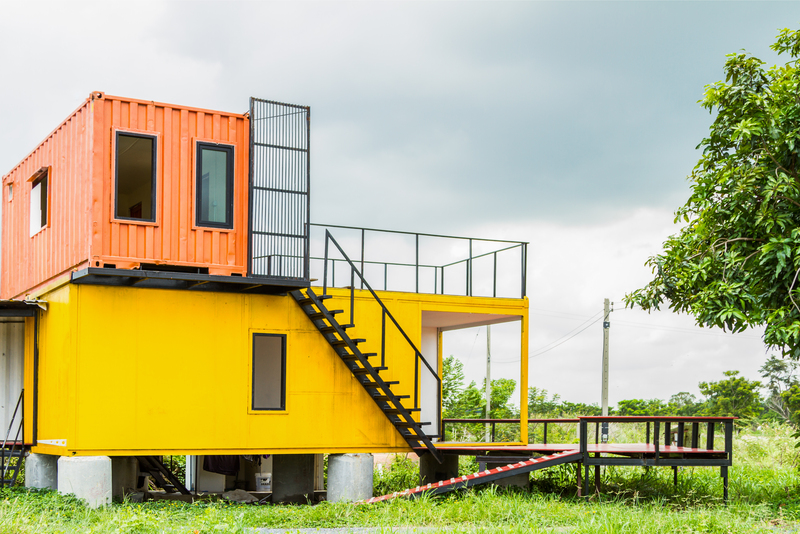
Incorporating recycled materials like metal or glass can significantly reduce your ecological footprint. Reclaimed wood not only adds aesthetic charm but also prevents additional deforestation.
Implementing Water Conservation Systems
Water usage in households can have a substantial impact on the environment. Adopting water-saving strategies can help conserve this precious resource.
Low-Flow Fixtures
Low-flow faucets, showerheads, and toilets are designed to use significantly less water without compromising performance. These fixtures are a simple yet effective way to reduce water usage dramatically.
Rainwater Harvesting
Installing a rainwater harvesting system can supply water for irrigation, toilets, and even laundry, reducing your dependence on municipal water supplies and decreasing your water bill.
Enhancing Indoor Environmental Quality
The quality of the air you breathe indoors is essential for your health and wellbeing. An eco-friendly living space should promote a healthy indoor environment.
Ventilation Systems
Ensure that your home has adequate ventilation to prevent mold, moisture buildup, and to improve overall air quality. Consider energy recovery ventilators (ERVs) that exchange stale indoor air with fresh outdoor air, improving energy efficiency as well.
Non-Toxic Paints and Finishes
Using low-VOC or zero-VOC paints and finishes reduces exposure to harmful chemicals, improving indoor air quality significantly. Consider opting for natural alternatives like water-based paints and finishes.
Consider the Impact of Daily Habits
Creating an eco-friendly home isn't just about construction and design--it's also about the daily habits you cultivate. Embrace small changes that have a big impact.
- Reduce Waste: Practice recycling and composting to minimize waste.
- Mindful Consumption: Purchase eco-friendly products and support sustainable brands.
- Energy Conservation: Turn off lights and unplug electronics when not in use.
Conclusion: The Future of Eco-Friendly Living Spaces
Implementing sustainable practices in your home is a journey towards a better future. By incorporating the principles of energy efficiency, sustainable materials, water conservation, and indoor environmental quality, you can create a living space that is not only kind to the planet but also beneficial to your health and comfort.
As awareness grows and technology advances, the standards for eco-friendly living spaces will continue to evolve. By committing to continuous improvement and staying informed on the latest sustainable practices and technologies, you can ensure your home remains a beacon of sustainability in an ever-changing world.
Embrace the new standard of living and take the necessary steps to transform your home into a place where sustainability meets comfort. Together, we can pave the way for a future that prioritizes the health of our planet while enhancing our everyday lives.